❖The Maker of Hindavi Swarajya
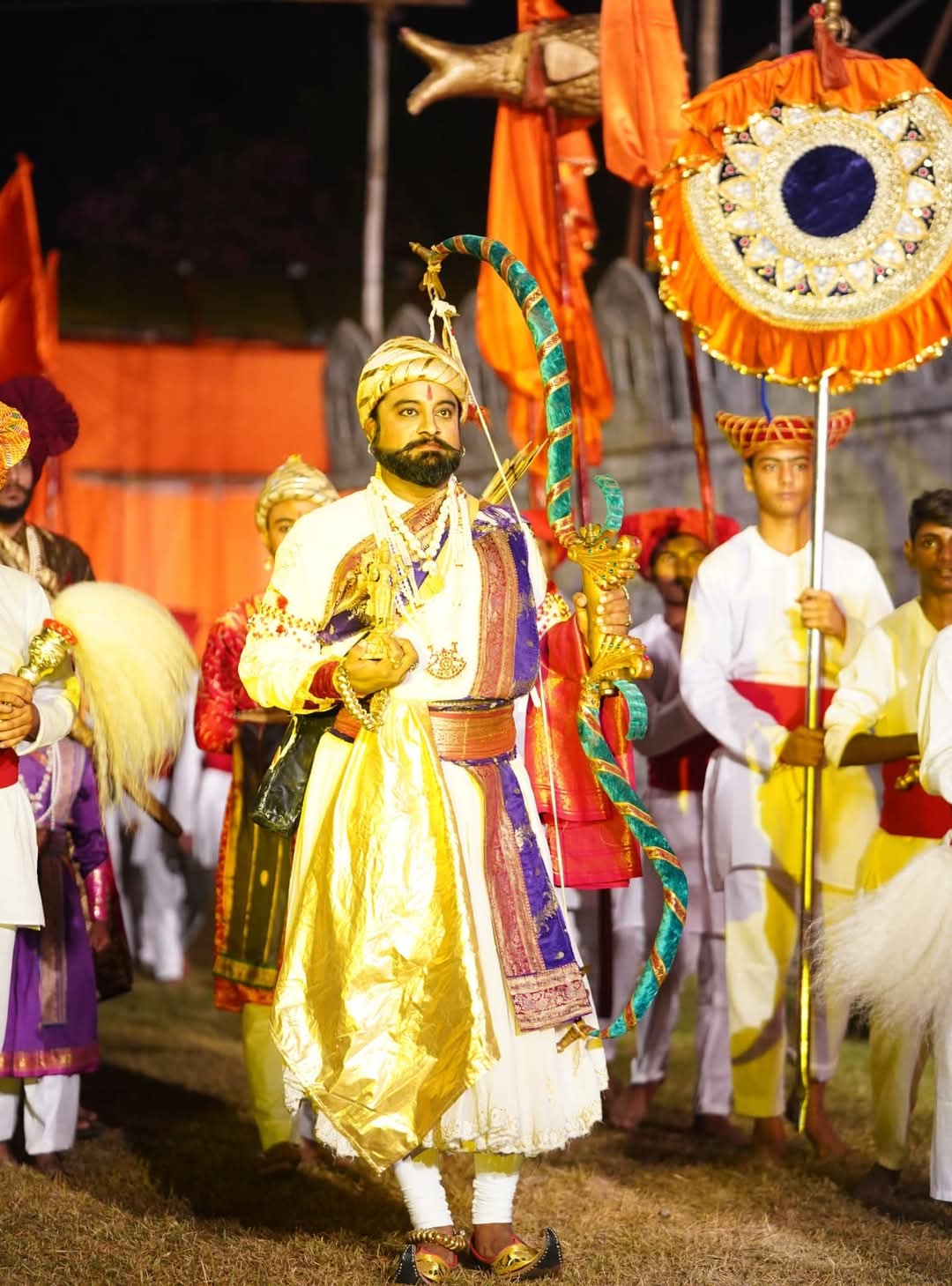
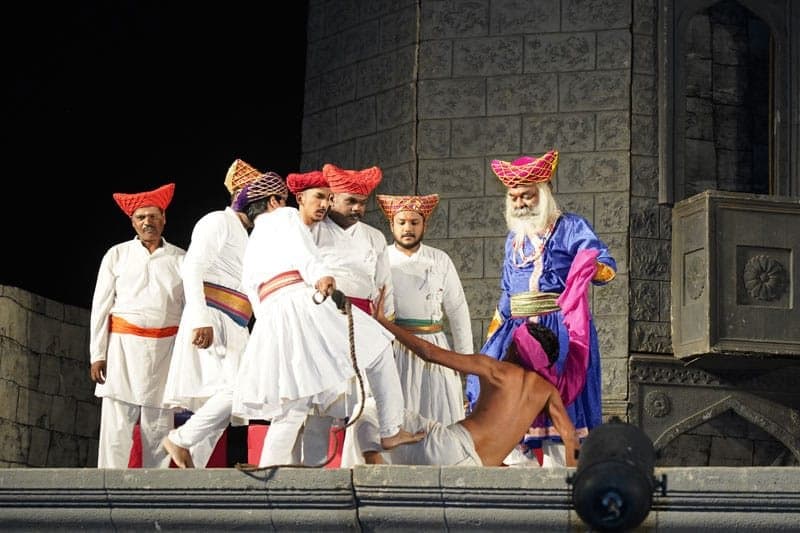
Chhatrapati Shivaji Maharaj was a great warrior-king and the founder of the Maratha empire in western India in the 17th century. He was born in 1630 at the fort of Shivneri, in present-day Maharashtra. His father was Shahaji Bhonsale and his mother was Jijabai.
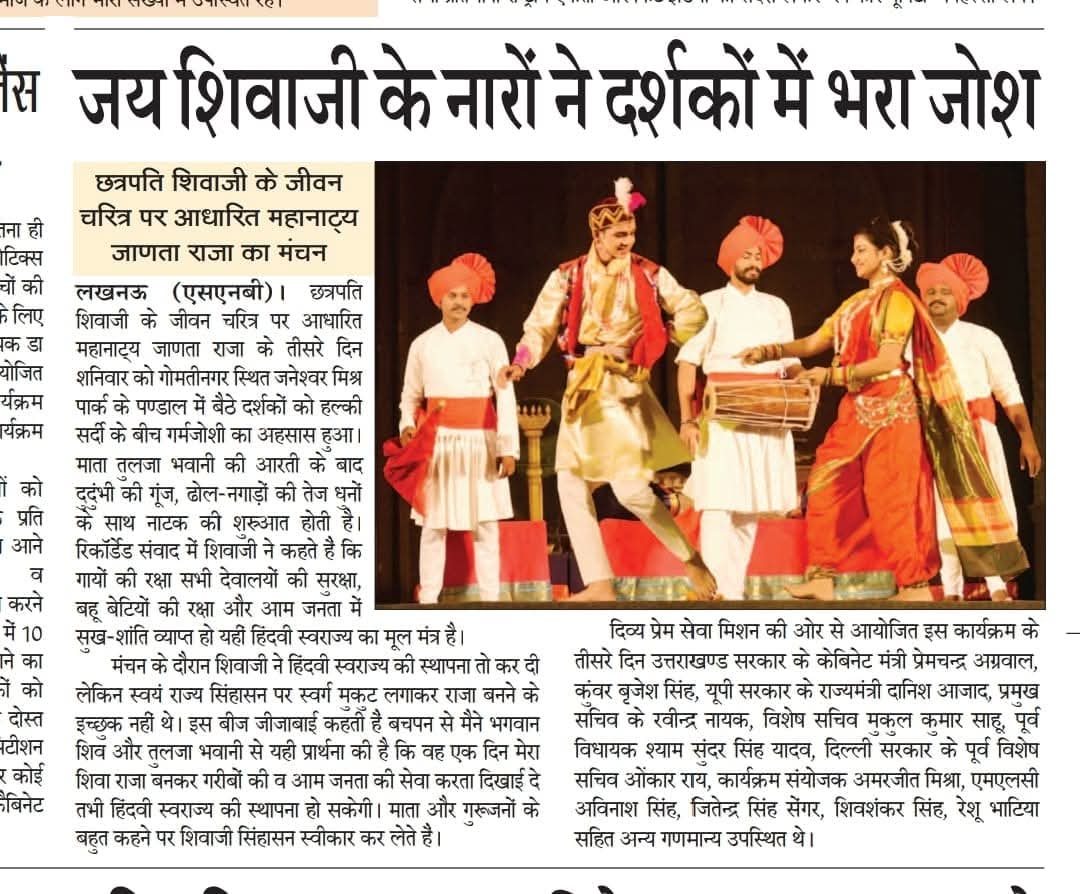
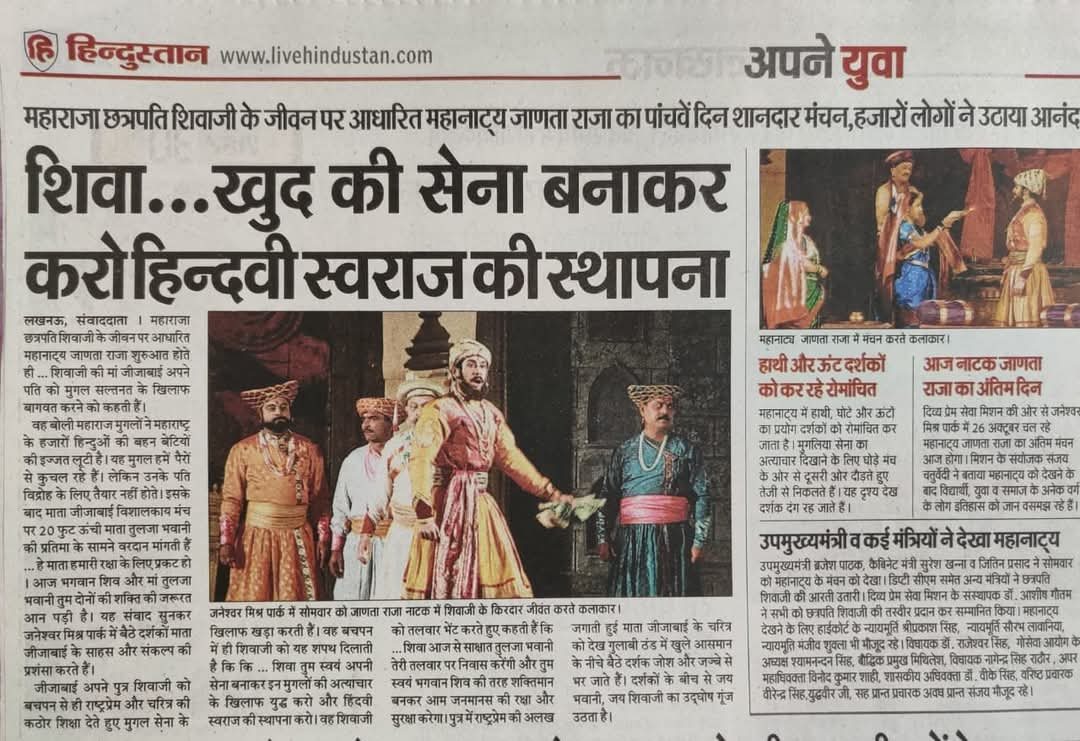
It is believed that Jijabai prayed to Lord Shiva for a son like him, and so he was named Shivaji after the deity. In his childhood, his mother Jijabai would tell him the Mahabharata, the Ramayana and tales of glory — and he absorbed the ideal teachings of these epics into his own life.
❖Why "Janata Raja" — the King of the People
Inspired by the ideals of his mother Jijabai, his guru Samarth Ramdas and the other saints of India, Shivaji Maharaj not only awakened the dormant consciousness of the Hindus but organised them and threw an open challenge to Mughal power. From childhood he learned that, above caste or creed, God has made all human beings equal, and that there should be no discrimination among them.
By encouraging the unity of the Hindus he propagated "Sanatan Dharma" — a faith that rises above caste discrimination and gives priority to the dignity and rights of women and to devotion over ritualism.
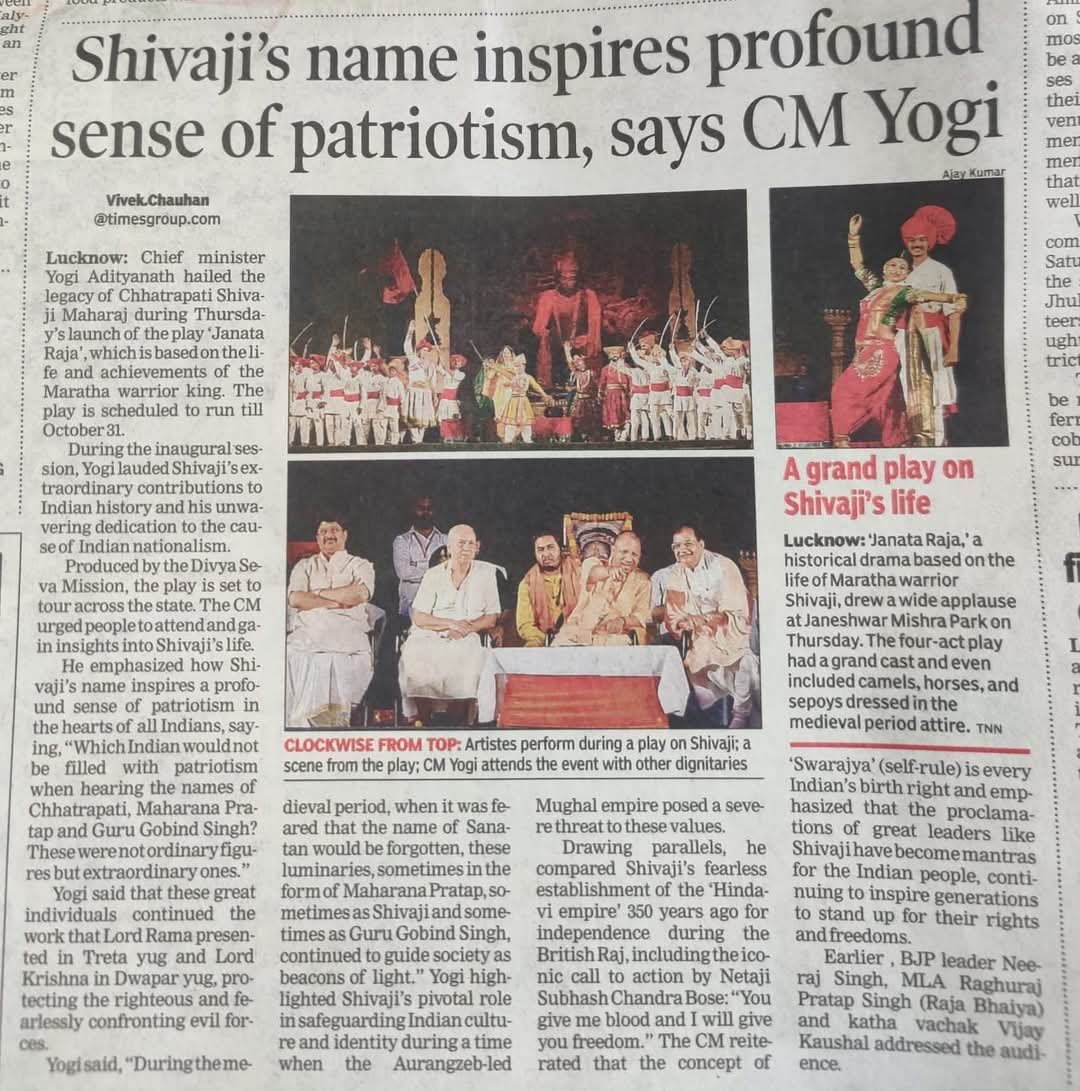
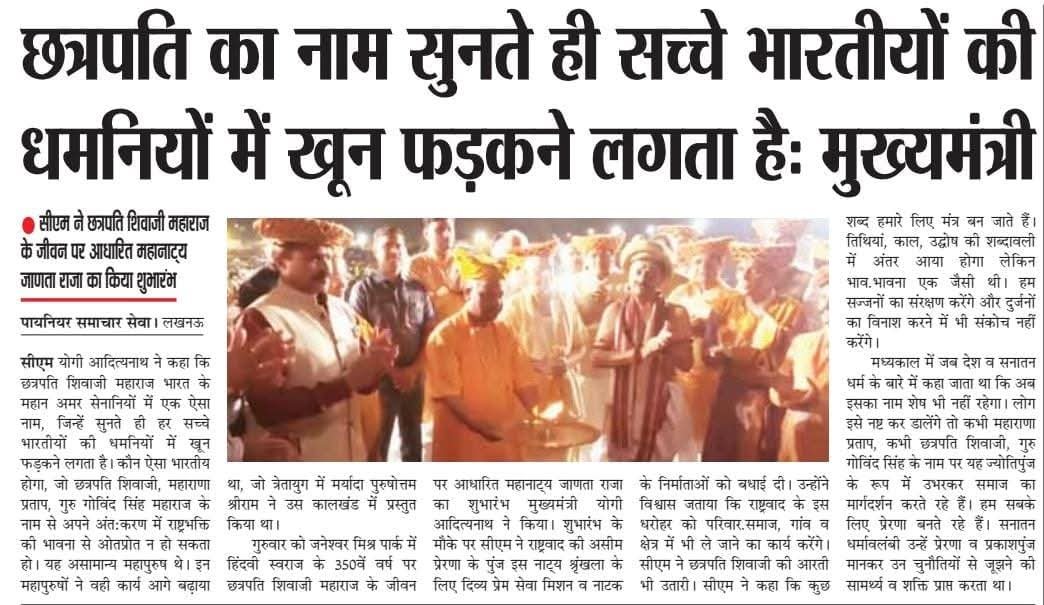
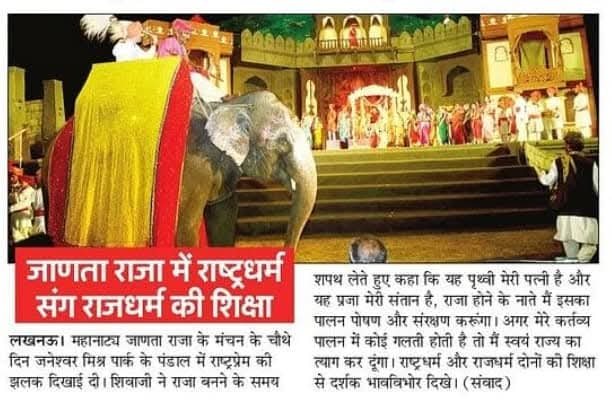
Social justice and equality were the foundation of his administration. While establishing a great "Hindavi empire", he resisted divisive and oppressive Islamic rule and ensured the revival and spread of Hindu dharma at a national level. Scholars, artists and poets were given his patronage. It was for this that he came to be called "Janata Raja" — meaning "the king of the people".
Shivaji established a Hindavi empire in which the protection of the people’s interests was paramount. Strongly opposing Aurangzeb’s forced conversions and Islamisation, he protected the religion and culture of non-Muslims. As a supporter of Hindu nationalism and a guardian of Hindu interests, he laid the greatest emphasis on re-establishing Hindu identity, reviving Sanatan culture, and protecting and building temples. That is why he remains a source of inspiration for Hindu nationalist movements, ideologies and individuals.
❖Military & Strategic Genius
Shivaji’s military successes were astonishing even to the commanders of his time. In 1646, challenging the Adil Shahi, he captured the fort of Torna — a bold victory that stunned formidable powers like the Mughal empire and the Adil Shahi. He later made Raigad his capital, and at the battle of Purandar soundly defeated the large army led by Fateh Khan.
Across Maharashtra and along the coast he had many forts built, which strengthened the defensive line of the Hindavi empire. Recognising the importance of sea power, he raised a formidable navy and sea-forts such as Sindhudurg, and challenged the dominance of European powers over the trade routes of the Indian Ocean. A master of guerrilla warfare, swift and sudden attacks were the hallmark of his strategy.
❖The Ashtapradhan — Council of Eight
A hallmark of Shivaji’s rule was a well-defined administrative structure that ensured effective governance. His council of ministers was called the “Ashtapradhan Mandal” — a council of eight ministers who advised the king on the administration of the state and carried out the work of their respective departments.
❖Reforms, Welfare & Culture
Shivaji introduced many administrative reforms centred on decentralised governance and local empowerment. He established markets to promote trade and commerce, had roads, bridges and water-management systems built, and adopted new measures for irrigation and water conservation that strengthened agriculture and helped in times of drought.
He encouraged the development of the mother tongue, Sanskrit and Indian culture, and gave patronage to scholars and poets. Shivaji also emphasised the empowerment of women, providing opportunities for higher education and skills and encouraging them to take part in administrative and social roles.
❖Jijabai's Legacy
His mother Jijabai made an immense contribution to the values and founding principles of Shivaji Maharaj’s life. She shaped him into a learned, courageous and generous leader whose contribution is remembered in Indian history to this day. His skill in warfare and mastery of statecraft make him a unique and powerful figure.